Unlocking Wellness: Your Ultimate Guide to Managing IBS with a Gut-Friendly Diet
Imagine waking up every morning feeling light, energetic, and free from the dreadful grip of irritable bowel syndrome (IBS). Does that seem too good to be true? Well, it isn't! With the right IBS diet plan, you can reach your wellness goals and achieve a happy gut. This blog will be your ultimate guide, revealing the best dietary recommendations for IBS while exploring holistic health for IBS. So, grab a comfy seat, and let's embark on this journey to digestive wellness together!
Understanding your body's needs is the first step in managing IBS. What if I told you that the food you consume plays a crucial role in alleviating the symptoms of IBS? The irritable bowel syndrome diet focuses on gut-friendly foods that can ease discomfort and promote healthy digestion. A balanced diet for digestive health includes fiber for gut health, lean proteins, and healthy fats. By exploring these dietary options, you'll learn how to transform your meals into a powerful weapon against IBS. Are you ready to feel the difference?
But how does one actually go about building this IBS diet plan? It might seem overwhelming, but don't worry! Start by incorporating more prebiotic foods like garlic, asparagus, and bananas that nourish your gut bacteria. Don't forget to add a variety of fiber-rich foods to keep things moving smoothly! What's your favorite fiber source? Whole grains, legumes, or fruit? Each has its place in supporting your gut health! Remember, nutrition for IBS doesn’t mean sacrificing taste; there are plenty of IBS-friendly recipes that will tantalize your taste buds while promoting well-being and IBS.
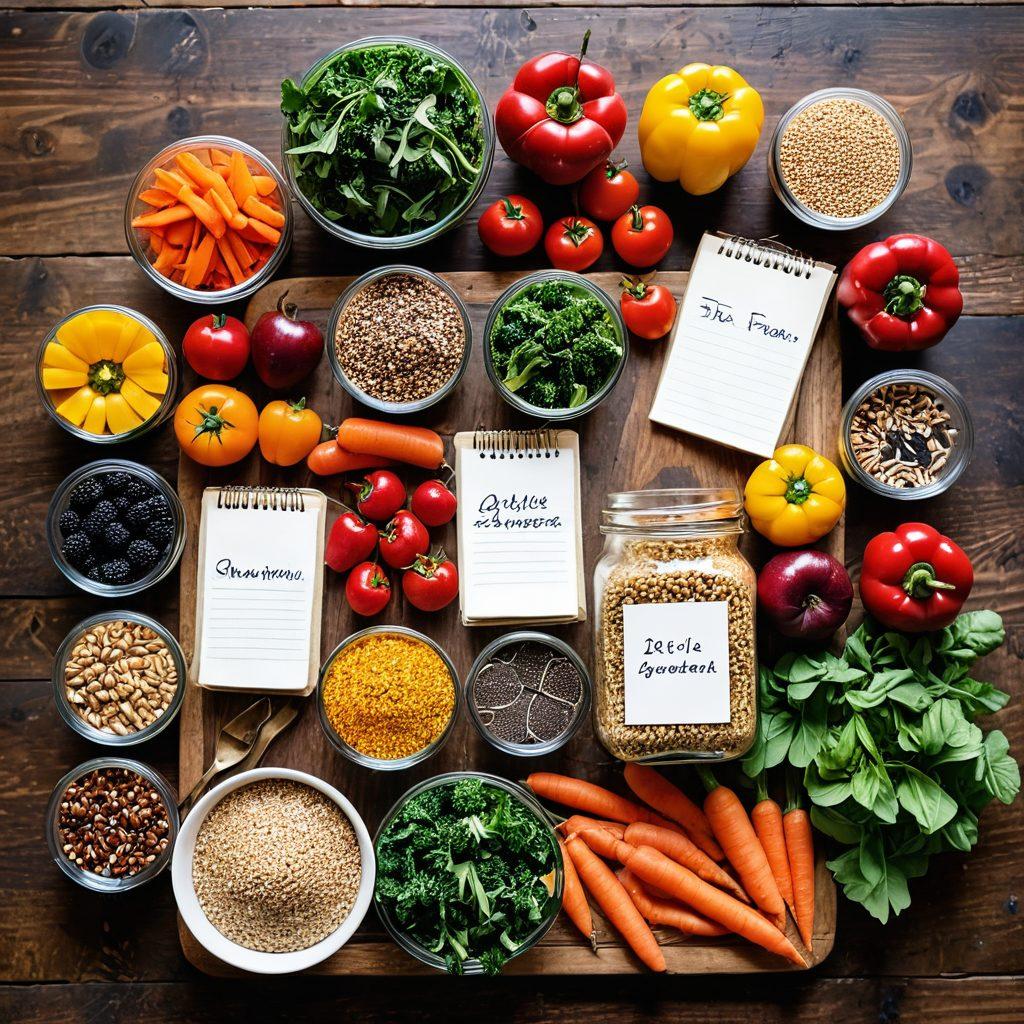
In this gastronomy adventure, pay close attention to your personal symptoms of IBS. You might discover triggers that are unique to your body. Have you ever considered eliminating dairy or gluten temporarily to see if those changes lead to a decrease in discomfort? Keeping a food journal can be incredibly beneficial! By documenting what you eat and how it makes you feel, you can better understand your body’s reaction to different foods. This essential tool aids in tailoring your nutrition guidance for better digestive health.
Finally, let’s talk about sustainability. Nutritional wellness for IBS is not just about diet but also about lifestyle. Make mindful choices and remember that what works for one may not work for another. As you experiment with different gut-friendly foods, don’t hesitate to consult with a healthcare professional who specializes in IBS management. Embrace these wellness tips for IBS, and you’ll soon find yourself on the path to better overall health. Remember, you hold the key to your own digestive wellness, so take charge and let your gut lead the way!
Nourish Your Body: Fiber and Gut-Friendly Foods for IBS Management
Have you ever wondered why some foods seem to ignite your digestive system while others offer soothing relief? If you’re someone living with irritable bowel syndrome (IBS), this question isn’t just a passing thought — it’s an everyday concern. Tackling IBS can feel like navigating a maze, but one of the most effective paths to comfort is through a well-structured IBS diet plan. Begin by embracing fiber and gut-friendly foods that not only cater to your symptoms but also enhance your overall wellness. Let’s dive into the world of nutrition for IBS and explore how to nourish your body for better digestive wellness.
When it comes to IBS management, the type of fiber you consume is crucial. Not all fibers are created equal; some can exacerbate the symptoms of IBS, while others can help alleviate them. Soluble fiber, found in foods such as oats, carrots, and apples, is renowned for its ability to regulate bowel movements and soothe digestive disturbances. On the flip side, insoluble fiber, while beneficial for many, might not be your best friend if you’re experiencing bloating or discomfort. Ask yourself: Are the foods I often reach for contributing to my well-being or stirring up my symptoms of IBS? Making the right choices can lead to a balanced diet for digestive health.
Here’s a thought-provoking quote: "Let food be thy medicine and medicine be thy food." This saying resonates deeply for those of us managing IBS and seeking holistic health for IBS. By focusing on gut-friendly foods, we can transform our meals into therapy sessions for the stomach. Incorporating foods like bananas, spinach, and quinoa can provide the essential fiber for gut health, while also ensuring you feel full and satisfied. What if the secret to alleviating painful symptoms lies in your next meal? The concept of 'food as medicine' rings especially true in the realm of wellness tips for IBS, where knowledge is power.
Now, let’s get practical. Planning an IBS-friendly diet doesn’t have to be overwhelming. Consider starting with a few simple dietary recommendations for IBS—such as keeping a food diary to track what works for you and what doesn’t. Engaging in meal prep with IBS-friendly recipes, like delightful stuffed bell peppers or creamy oat porridge, can simplify your week while aligning meals with your digestive needs. Remember, it’s all about gradual changes; perhaps swap soda for herbal tea, or exchange processed snacks for a handful of walnuts. Each small step can lead to more significant changes in your journey toward healthy digestion.
Lastly, it's vital to remember that everyone's experience with IBS is unique. What works wonders for one person may lead to discomfort in another. This is why having personalized nutrition guidance is so valuable. Explore local resources or online nutrition blogs that focus on IBS, and don’t hesitate to connect with a healthcare professional who understands your condition. As you journey through the world of gut health, reflect on this question: What does true well-being and IBS mean to you? By crafting a tailored approach that nurtures your body, you can thrive — not just survive — with IBS, embracing all of life’s delicious possibilities.
Holistic Wellness Tips: Transform Your Diet for Optimal Digestive Health
Have you ever felt that nagging discomfort in your belly, the kind that makes you hesitate before trying that new restaurant? If you've been diagnosed with irritable bowel syndrome (IBS), you're not alone. IBS can turn even the simplest meal into a cause for anxiety, but the power to reclaim your digestive well-being lies in your hands—with an IBS diet plan tailored just for you. This journey toward better gut health doesn't require a doctorate in nutrition; it merely asks for a sprinkle of knowledge and a dash of commitment. Let’s dive into some effective wellness tips for IBS that will transform your diet for optimal digestive health.
First off, let’s talk about gut-friendly foods. What if you could create a colorful plate filled with delicious meals that not only satisfy your taste buds but also support your digestive system? That's right! Foods like bananas, oatmeal, yogurt, and blueberries are all great choices. They are rich in soluble fiber and probiotics, both of which are crucial for healthy digestion. Have you ever noticed that after eating fiber-rich foods, you feel a little lighter and more energized? It’s like your belly is giving you a happy dance! As part of your IBS management, embracing these foods can make a huge difference.
Now, not all foods are created equal when it comes to IBS. The trick is to identify which ones trigger your symptoms of IBS—this is where holistic health for IBS really shines. By maintaining a food diary, tracking what you eat and how you feel afterward, you can pinpoint potential culprits. Often, common culprits might include dairy, gluten, and spicy foods. However, it’s essential to remember that everyone's digestive system is unique, and what affects one person may not affect another. Isn't it fascinating how individualized our nutritional needs can be?
Incorporating fiber into your IBS diet plan is another significant wellness tip for IBS. Soluble fiber is particularly beneficial as it helps regulate your bowel movements and minimizes the unpredictability that often accompanies IBS. Think of foods like chia seeds, sweet potatoes, and lentils! Aiming for balanced dietary recommendations for IBS also means keeping meals and snacks diverse and rich in color—your plate should look as good as it tastes. Perhaps try creating some IBS-friendly recipes that include these ingredients; not only will you enjoy cooking, but you'll also be doing wonders for your gut health!
Lastly, it’s important to remember that managing IBS isn't just about what you eat; it’s also about how you approach your lifestyle. Stress and anxiety can exacerbate the symptoms of IBS, transforming your journey into one littered with challenges. Adopting relaxation techniques like mindfulness or yoga can foster a sense of calm within your body. Combine these practices with your nutrition guidance, and you'll have a well-rounded approach to wellness that nurtures your well-being and IBS in synergy. Are you ready to take back control of your digestive wellness? Start today; your gut will thank you!